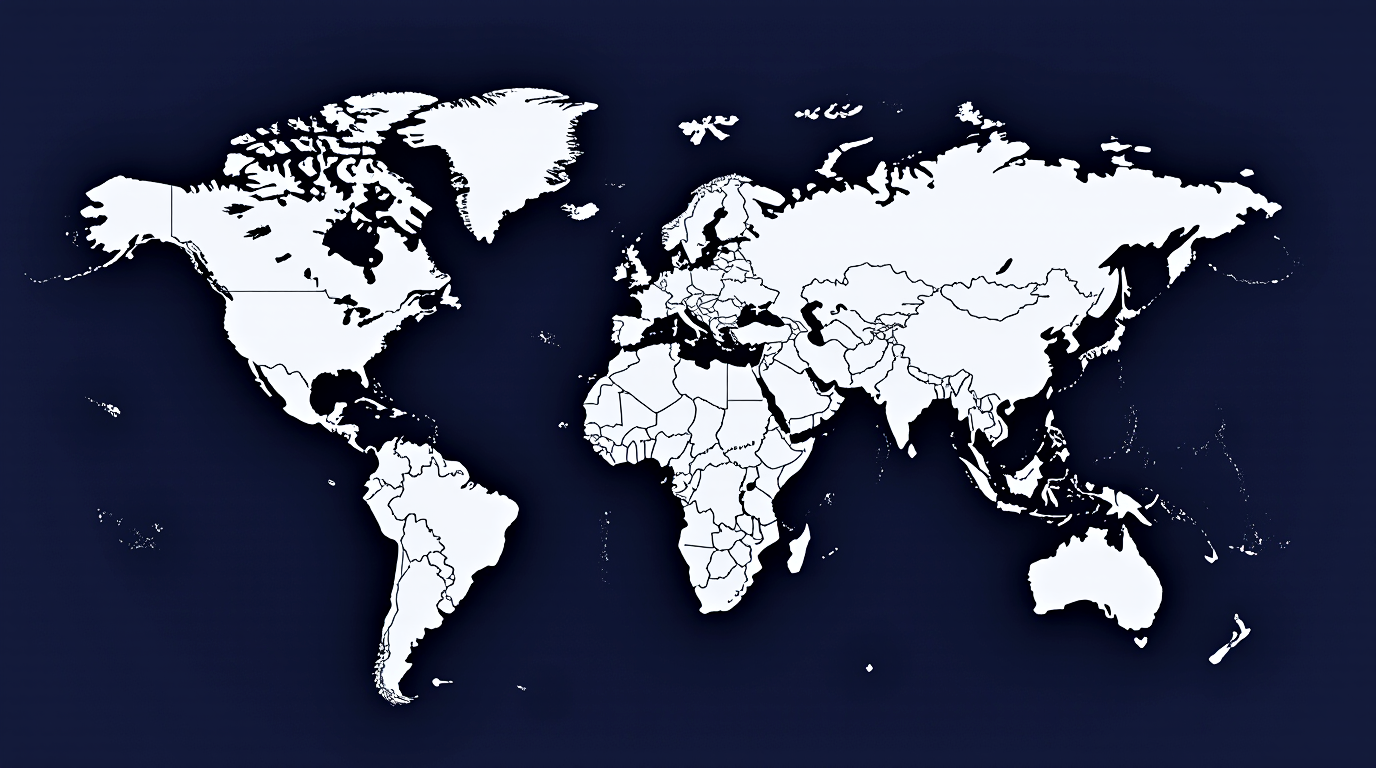

Pakistan is one of the countries with more than 64% of its population below the age of 30 which makes it one of the top countries for young & talented pool of professionals. With globalization and the advent of remote & offshore work it’s imperative that this pool is given the right set of tools, skills & exposure to become one of the best in the world.
In the fast-paced world of global business, bringing local Pakistani teams to the same level as their international counterparts requires a strategic approach that encompasses various facets of professional development. C-level executives play a crucial role in this endeavor, guiding young professionals through a journey of learning and growth that equips them with the skills needed to thrive in an increasingly competitive landscape.
Mentorship remains paramount in this process. Pairing local Pakistani professionals with seasoned mentors, ideally those with international experience, provides invaluable insights into global best practices and standards. These mentors can help bridge the gap between local and international norms, offering guidance on everything from effective communication to navigating cultural nuances in a global context.
Soft skills development is equally vital, particularly in areas such as task-based management, time management, and status reporting. It not only fosters a culture of integrity but also equips the local talent with the right skill set to compete & work anywhere in the world. C-level executives should prioritize initiatives that focus on honing these skills, whether through specialized training programs, workshops, or experiential learning opportunities. By instilling a culture of accountability and efficiency, young professionals can learn to manage their tasks effectively, prioritize deadlines, and communicate progress transparently.
Furthermore, fostering a culture of innovation and continuous improvement is key to bringing local teams at par with international standards. Encouraging Pakistani professionals to embrace new ideas, experiment with different approaches, and learn from both successes and failures cultivates a mindset of adaptability and resilience. C-level executives should provide platforms for innovation, such as hackathons or cross-functional projects, where teams can collaborate and ideate freely.
In parallel, promoting diversity and inclusion within the organization is essential. By embracing the unique perspectives and experiences of local Pakistani teams, companies can tap into a wealth of talent and creativity. C-level executives should actively champion diversity initiatives, ensuring that all voices are heard and valued in decision-making processes.
Corporate social responsibility (CSR) also plays a significant role in empowering Pakistani professionals. By engaging in CSR activities that address local challenges and contribute to community development, young professionals gain a sense of purpose and fulfillment beyond their day-to-day work. C-level executives should involve teams in CSR initiatives, allowing them to make a meaningful impact while fostering a sense of pride in their organization’s values.
Lastly, leveraging technology for learning and development can bridge gaps in knowledge and skillsets. Online courses, virtual mentorship programs, and digital collaboration tools enable Pakistani professionals to access resources and expertise from around the world. C-level executives should invest in technology infrastructure and platforms that facilitate remote learning and collaboration, empowering teams to stay updated on industry trends and best practices.
In conclusion, bridging the gap between local Pakistani teams and international standards requires a multi-faceted approach that encompasses mentorship, soft skills development, innovation, diversity, CSR, and technological empowerment. C-level executives must lead by example, fostering a culture of learning, inclusivity, and forward-thinking that empowers Pakistani professionals to excel on the global stage.